

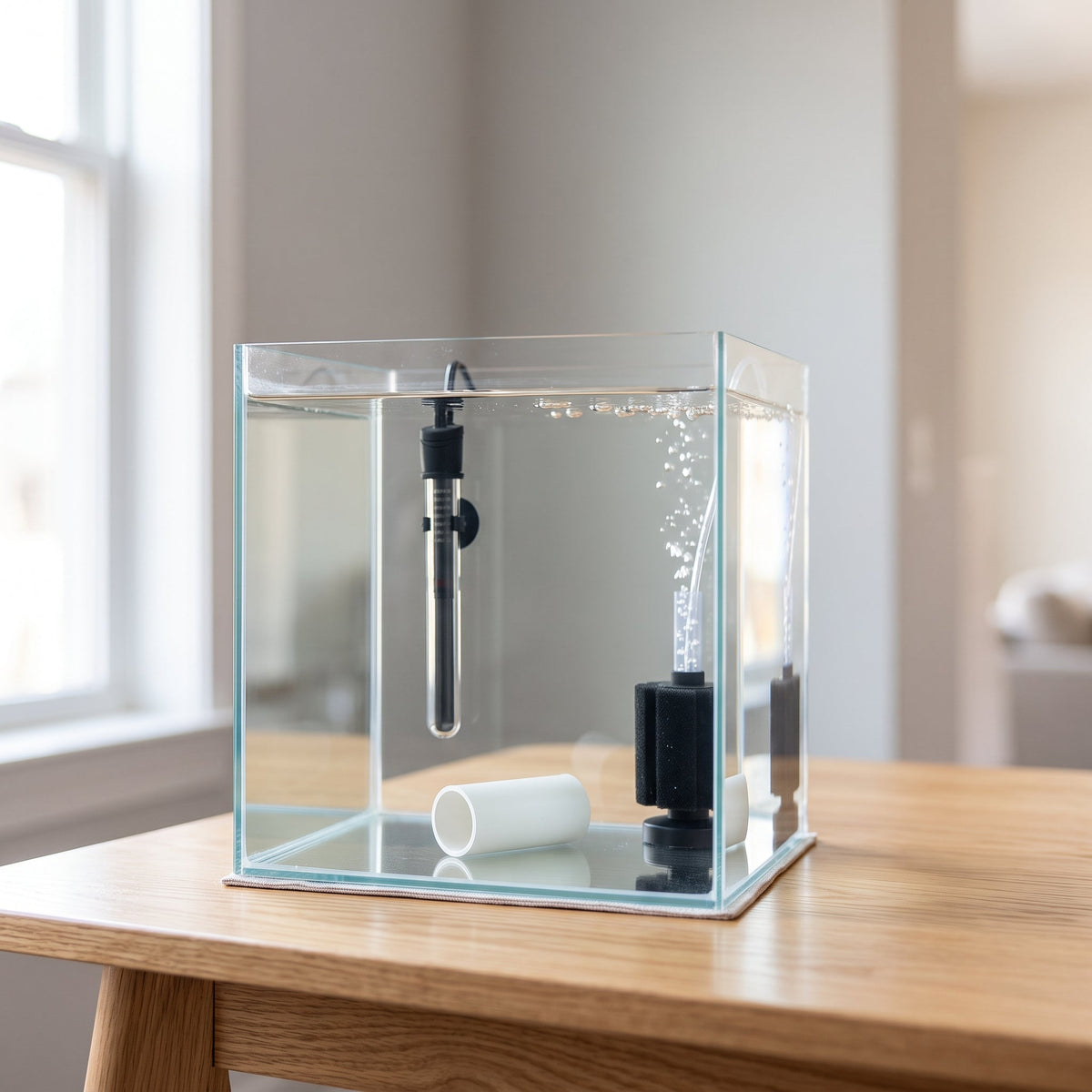
How to Set Up a Hospital Tank for Sick Fish
Most aquarium losses happen not because the right medication was missing, but because it was used in the wrong tank. Treating a sick fish in a fully stocked display tank means dosing dozens of gallons of water, poisoning the biofilter, exposing healthy fish to unnecessary chemicals, and often failing to reach a therapeutic concentration where it matters. A hospital tank fixes all of that at once. The concept is straightforward. A small, dedicated tank that stays mostly empty and gets pressed into service the moment...
Fish Antibiotics: How to Identify Bacterial Infections and Choose the Right Treatment
Bacterial infections move fast in aquariums. A fish that looked fine on Monday can show ragged fins by Wednesday and be gasping at the surface by the weekend. The tight, warm, closed-loop environment of a tank means pathogens spread with almost no friction, and by the time symptoms appear, the infection has usually spent days multiplying beneath the scales. Fish antibiotics exist for that window. Used correctly, they can pull a fish back from a serious infection in under a week. Used carelessly, they wipe...
Fin Rot in Freshwater Fish: Causes, Stages, and When Antibiotics Are Actually Needed
Fin rot is the most frequently diagnosed bacterial condition in home freshwater aquariums. It affects nearly every species kept in captivity, from bettas and guppies to goldfish and cichlids. Understanding what causes it, how to identify the stage of infection, and how to treat it effectively is essential for any freshwater hobbyist. This guide covers what fin rot is, how to recognize the three stages of progression, the role of water quality in treatment, and how to use antibiotics for a full recovery. What Fin...
