Fish Antibiotics: How to Identify Bacterial Infections and Choose the Right Treatment
Bacterial infections move fast in aquariums. A fish that looked fine on Monday can show ragged fins by Wednesday and be gasping at the surface by the weekend. The tight, warm, closed-loop environment of a tank means pathogens spread with almost no friction, and by the time symptoms appear, the infection has usually spent days multiplying beneath the scales.
Fish antibiotics exist for that window. Used correctly, they can pull a fish back from a serious infection in under a week. Used carelessly, they wipe out the beneficial bacteria in your biofilter and leave you with a sterile tank, dead nitrifiers, and an ammonia spike that finishes what the illness started.
Below is a working guide to what fish antibiotics do, which ones treat which infections, and how to use them without making the situation worse.
What Bacterial Infections Look Like in Fish
Most aquarium bacterial infections trace back to a short list of pathogens: Aeromonas, Pseudomonas, Flavobacterium (columnaris), Mycobacterium, and Vibrio in saltwater setups. Most of these are opportunistic. They wait for a stressed, injured, or immune-compromised fish, then move in.
Common signs to watch for:
- Fin rot with ragged, white-edged, or dissolving tissue
- Red streaks along the body or fin bases, often called septicemia
- Popeye, where one or both eyes bulge outward
- Dropsy, where the fish swells and scales lift outward in a pinecone pattern
- White or gray patches on the mouth, gills, or body, typical of columnaris
- Ulcers, open sores, or missing scales
- Clamped fins, lethargy, or hanging near the surface
Not every symptom points to bacteria. Parasites, poor water quality, and fungal issues share overlapping signs, and treating the wrong problem burns through medication for nothing. Test your water first. Ammonia, nitrite, and pH readings can rule out or confirm environmental stress in about ten minutes.
The Antibiotic Lineup
Different antibiotic classes cover different bacterial types. Matching the drug to the infection is where most home aquarists go wrong.
Amoxicillin (Fish Mox). A broad-spectrum penicillin-class antibiotic. Handles gram-positive infections and some gram-negative strains. Useful for general ulcers, fin rot, and mouth infections. Available in 250mg and 500mg capsules.
Penicillin (Fish Pen). Related to amoxicillin but with a narrower spectrum. Best for streptococcal infections and gram-positive coverage where broader activity is unnecessary. Comes in 250mg and 500mg capsules.
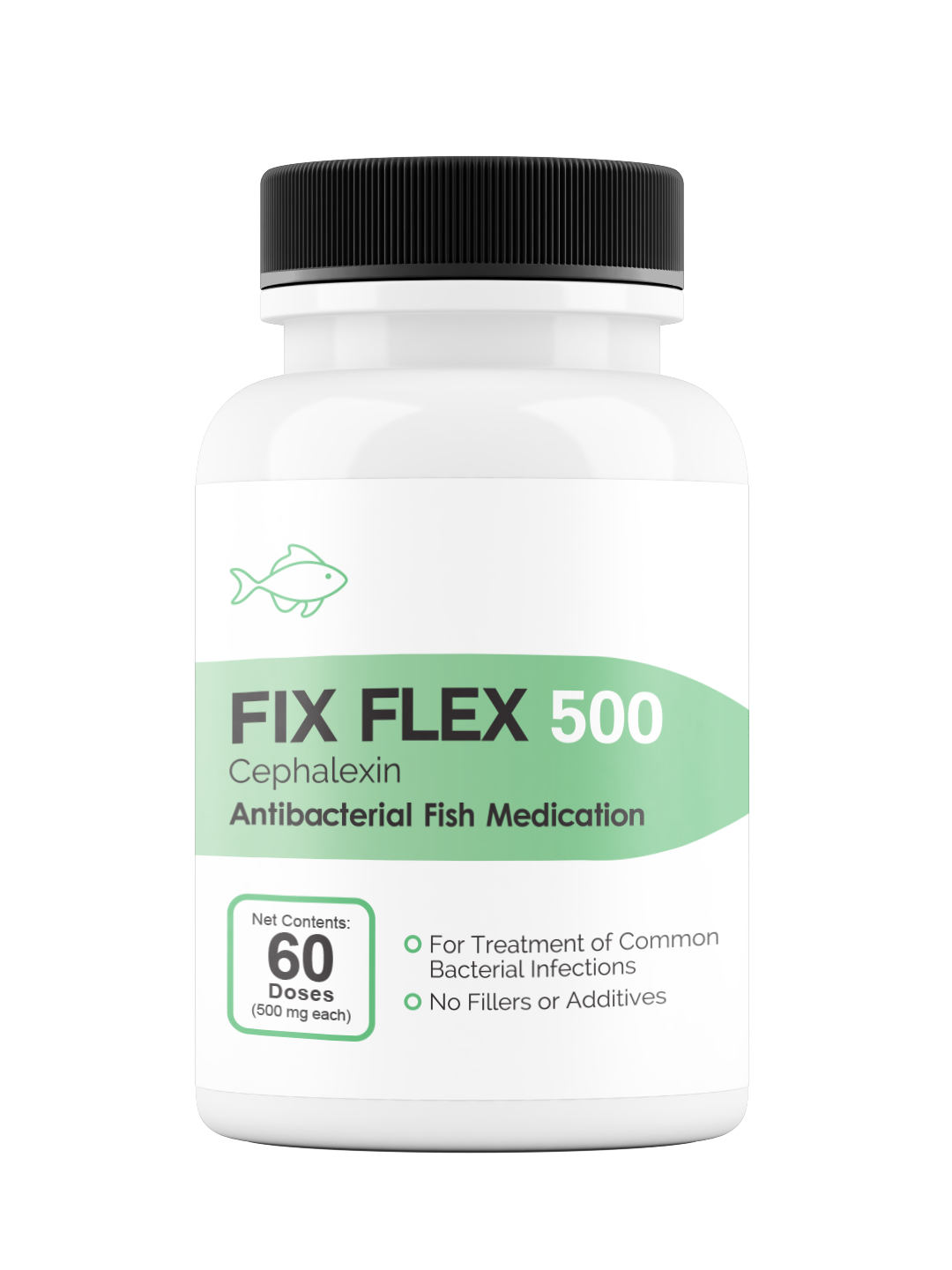
Cephalexin (Fish Flex). A first-generation cephalosporin. Effective against many gram-positive bacteria and a subset of gram-negative strains, including some Aeromonas. A good second choice when amoxicillin has failed. Available in 250mg and 500mg capsules.
Ciprofloxacin (Fish Flox). A fluoroquinolone with strong gram-negative coverage. This is the choice for serious systemic infections, particularly those involving Aeromonas and Pseudomonas. Powerful enough that it should be held in reserve rather than used as a first line. Comes in 500mg capsules.
Doxycycline (Fish Doxy). A tetracycline-class antibiotic. Broad-spectrum, with particular value against intracellular pathogens and Mycobacterium-type infections that shrug off other treatments. Available in 100mg capsules.
Metronidazole (Fish Zole). Different from the others because it targets anaerobic bacteria and protozoal infections, including internal parasites like Hexamita, the organism behind hole-in-the-head disease in cichlids. Often delivered as a food-soaked treatment when the fish is still eating. Comes in 250mg and 500mg capsules.
Sulfamethoxazole with Trimethoprim (Fish Sulfa). A sulfa combination that works synergistically across a wide range of gram-negative infections. Traditionally strong against Aeromonas and Pseudomonas. Comes in 800mg/160mg tablets.
Clindamycin (Fish Cin). A lincosamide antibiotic with excellent gram-positive coverage and useful anaerobic activity. Less commonly reached for, but valuable for specific resistant infections. Comes in 150mg capsules.
How to Actually Use Them
Dosing depends on the medication, tank volume, and whether you are treating in the main display or a hospital setup. A few principles hold across all of them.
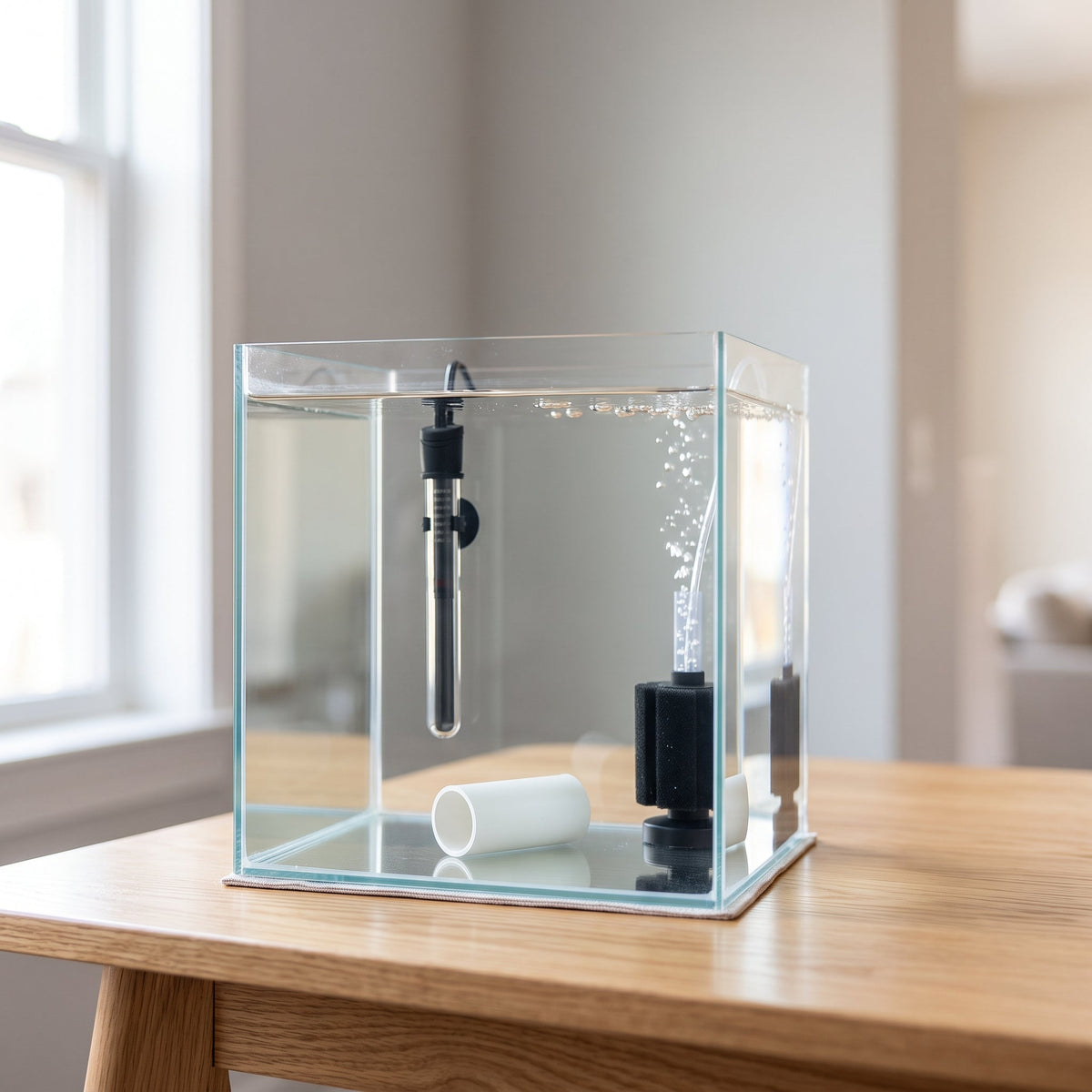
Treat in a hospital tank when possible. A separate, cycled quarantine tank protects your biofilter from antibiotic damage and lets you control water quality tightly during treatment. It also isolates the sick fish from tankmates who may not need the medication.
Remove activated carbon from your filter before dosing. Carbon adsorbs most medications and pulls them out of the water within hours, meaning the fish never receives a therapeutic dose. Run mechanical and biological filtration only.
Finish the course. Stopping at the first sign of improvement is the fastest way to breed resistant bacteria. Most fish antibiotic protocols run five to ten days, with water changes and re-dosing between treatments. Follow the specific protocol for the drug you are using.
Watch water parameters daily. Antibiotics stress the biofilter even in a hospital tank. Test ammonia and nitrite each morning and be ready to do a water change if either climbs.
Do not mix antibiotics unless a specific protocol calls for it. Combining medications can create antagonistic reactions where one drug cancels the other, or synergistic toxicity that stresses the fish worse than the infection itself.
Prevention Costs Less Than Treatment
Every serious aquarist ends up needing antibiotics eventually. Reducing that frequency comes down to a few habits:
Quarantine new fish for at least two weeks before adding them to an established tank. Most outbreaks trace back to a fish that arrived carrying something.
Keep stocking levels reasonable. Overcrowding compromises water quality and raises stress hormones in fish, both of which suppress immune function.
Feed a varied, high-quality diet. Nutritional gaps show up in immune response long before they show up in appearance.
Maintain stable water parameters. Sudden swings in temperature, pH, or hardness stress fish more than consistently imperfect conditions do.
Clean equipment between tanks. Nets, siphons, and buckets transfer pathogens between systems with ease.
When to Bring in a Vet
Aquatic veterinary medicine has grown considerably in the past decade, and vets who work on ornamental fish now practice in most metropolitan areas. For valuable specimens, breeding stock, or infections that fail to respond to first-line treatment, professional consultation is worth the cost. A vet can run sensitivity testing that identifies the exact pathogen and the antibiotic it responds to, which removes the guesswork.
For most hobby aquarists, the lineup above covers the bulk of common infections. The critical piece is early identification, correct drug selection, and disciplined completion of the treatment course. Get those three right and most bacterial infections resolve without lasting damage to the fish or the tank.