Fin Rot in Freshwater Fish: Causes, Stages, and When Antibiotics Are Actually Needed
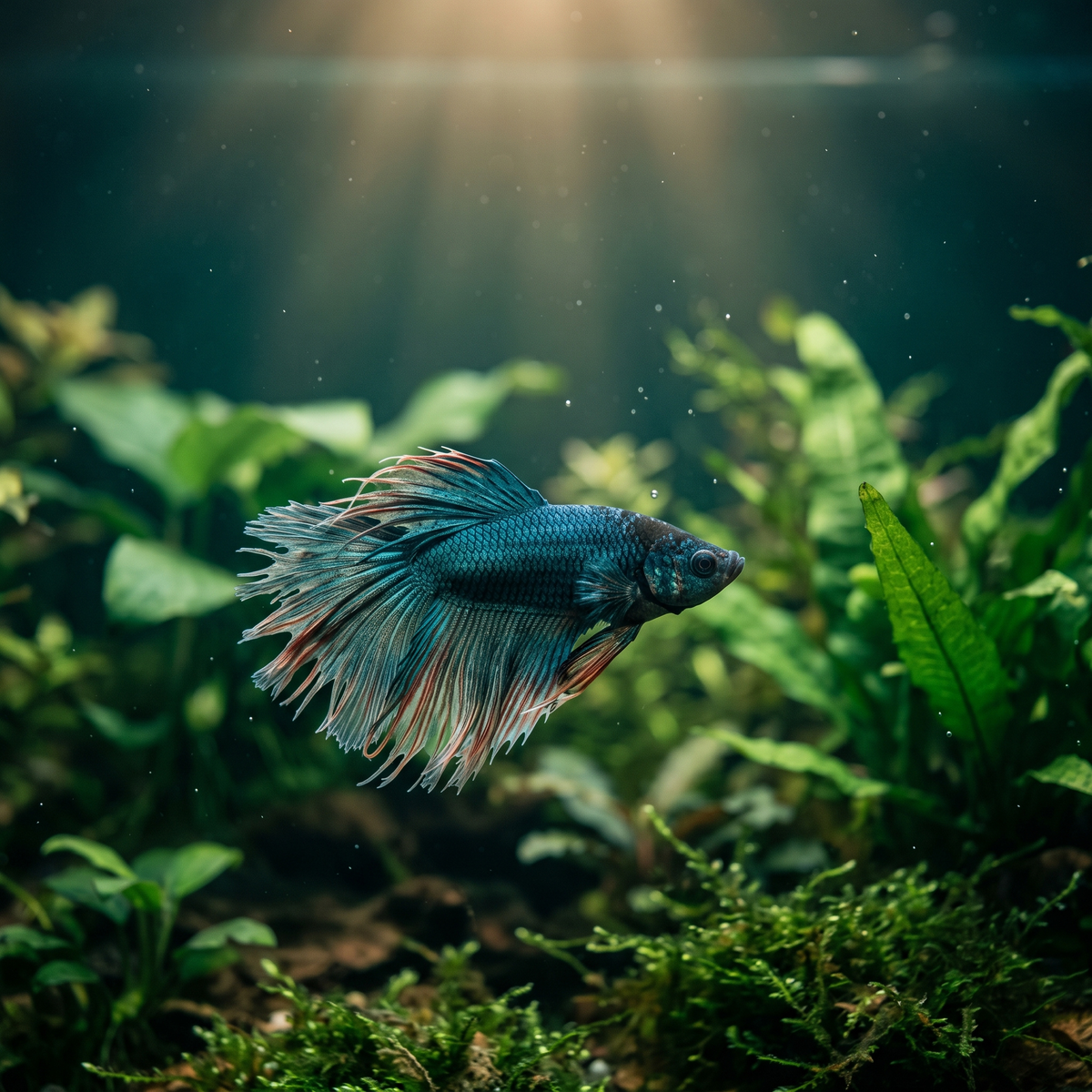
Fin rot is the most frequently diagnosed bacterial condition in home freshwater aquariums. It affects nearly every species kept in captivity, from bettas and guppies to goldfish and cichlids. Understanding what causes it, how to identify the stage of infection, and how to treat it effectively is essential for any freshwater hobbyist.
This guide covers what fin rot is, how to recognize the three stages of progression, the role of water quality in treatment, and how to use antibiotics for a full recovery.
What Fin Rot Actually Is
Fin rot is a bacterial infection of the tissue in a fish's fins and, in advanced cases, the body itself. The bacteria responsible are naturally present in aquarium water at low levels. Infection takes hold when a fish's immune system is compromised, typically by poor water quality, stress, injury, or a co-occurring illness.
Effective treatment addresses both the infection itself and the underlying environmental conditions that allowed it to develop. Both pieces matter, and both are covered below.
The Bacterial Culprits
Two genera of bacteria account for the majority of fin rot cases in freshwater tanks.
Aeromonas and Pseudomonas are the most common. Both are gram-negative rod bacteria that live in all aquarium water at low levels and become opportunistic pathogens when fish are weakened.
A related bacterium, Flavobacterium columnare, causes columnaris, which is often confused with fin rot but is distinct. Columnaris tends to present as white or grayish patches on the body or mouth rather than the classic frayed fin edges, and it progresses much faster. This distinction matters because columnaris requires more aggressive treatment.
How to Identify Fin Rot by Stage
Fin rot presents in three recognizable stages. Catching it in the first stage makes treatment straightforward. Waiting until the third stage makes recovery more difficult.
Stage 1: Early fin rot. The edges of the fins appear ragged, faded, or slightly discolored (often white, red, or brown at the tips). The fish is usually still eating and behaving normally. Damage is limited to the outer millimeter or two of fin tissue.
Stage 2: Progressing fin rot. Fin tissue is visibly eroding toward the base of the fin. Ragged edges are more pronounced, and the affected areas may look inflamed or bloody. The fish may start showing lethargy, reduced appetite, or clamping fins (holding fins tight against the body).
Stage 3: Advanced fin rot. Fins are eroded down to the stubs or to the fin base. Infection has usually spread to the body, presenting as red streaks, ulcers, or open sores. The fish may isolate, stop eating entirely, or breathe rapidly. At this stage systemic infection is likely and treatment should begin immediately.
Water Quality Is the Foundation of Recovery
Whether or not antibiotic treatment is used, water quality must be tested and corrected. Bacterial infections thrive in poor water conditions, and even the most effective medication will fall short if the tank environment continues to stress the fish.
The following parameters should be verified with a liquid test kit, not paper strips:
- Ammonia: must read 0 ppm
- Nitrite: must read 0 ppm
- Nitrate: ideally below 20 ppm, no higher than 40 ppm
- pH: stable and appropriate for the species
- Temperature: appropriate for the species and stable
If any of the first three readings are elevated, perform a series of 25 to 30 percent water changes over several days, using a dechlorinator, to bring toxin levels down without shocking the fish. Gravel vacuuming during changes is essential because organic waste in the substrate is often the source of the bacterial load.
Verify that the tank is not overstocked, that the filter is functioning and sized appropriately, and that feeding is not excessive. Uneaten food is a major driver of water degradation.
Antibiotic Treatment for Fin Rot
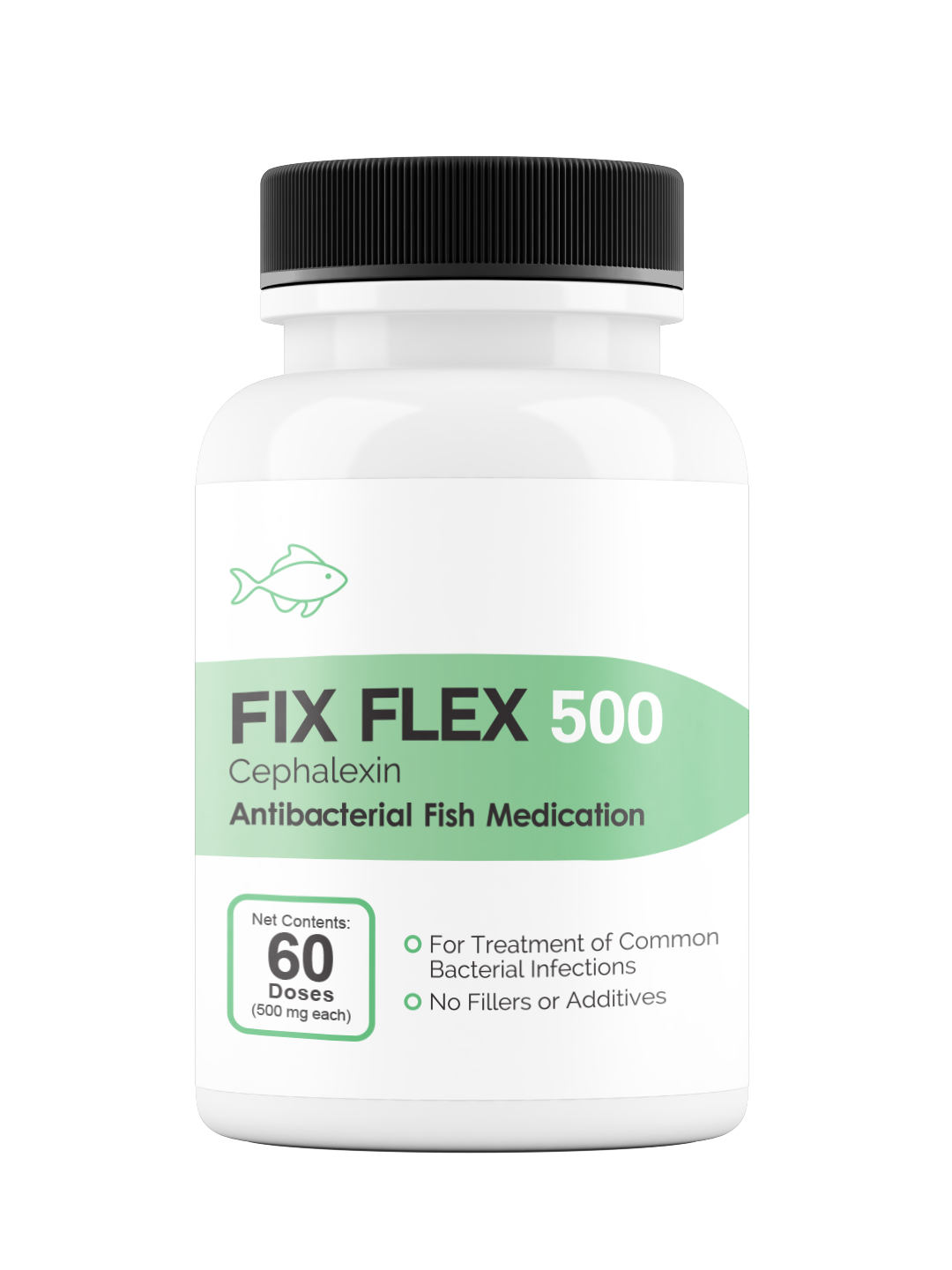
Antibiotic treatment is a proven, effective response to fin rot, particularly at Stage 2 and beyond. It is also appropriate for Stage 1 cases when the hobbyist wants to shorten recovery time or protect other fish in the tank from spread.
Signs that antibiotic treatment should begin promptly:
- Fin erosion is advancing toward the fin base
- Red streaks, inflammation, or ulcers appear on the body
- The fish shows systemic symptoms such as bloating, lethargy, loss of appetite, or labored breathing
- Multiple fish in the tank are showing symptoms simultaneously
- Improvement has stalled despite corrected water parameters
Dosing and Treatment Protocol
General principles for antibiotic treatment in a home aquarium:
- Remove activated carbon from the filter before dosing. Carbon will pull the medication out of the water column.
- Perform a 25 to 30 percent water change before starting treatment to reduce the organic load.
- Dose according to the product label, calculated to actual tank volume (not the tank's nominal size). A "20-gallon" tank with substrate, decor, and displacement typically holds closer to 17 gallons of water.
- Complete the full treatment cycle, typically five to ten days depending on the medication. Finishing the full course is what clears the infection and prevents relapse.
- Redose per product instructions, which usually involves a partial water change between doses.
- Monitor water parameters daily throughout treatment.
- After treatment ends, do a large water change (50 percent), reinstall activated carbon for 24 to 48 hours to strip residual medication, and then remove the carbon and resume normal maintenance.
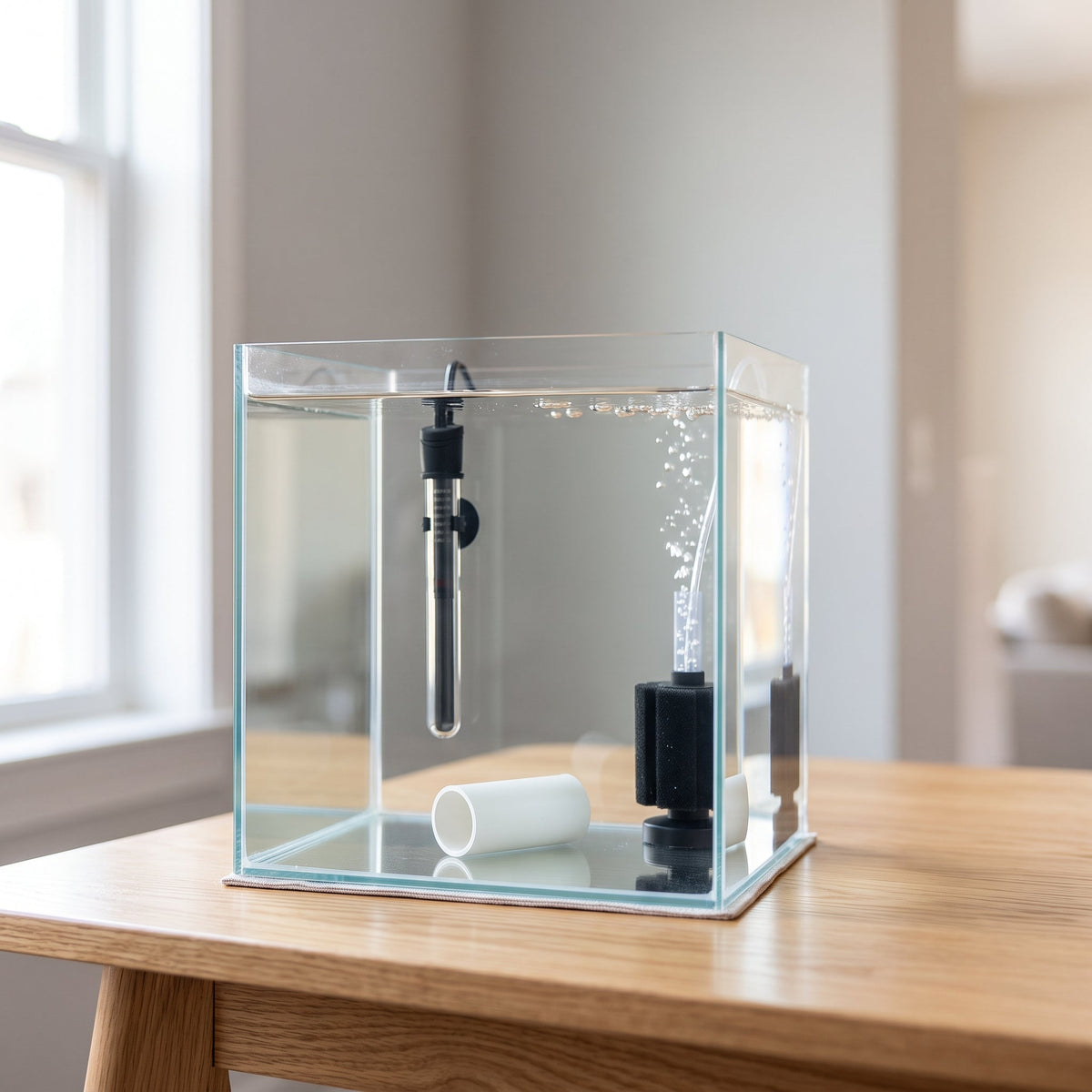
A hospital tank (a bare 5 to 10-gallon tank with a sponge filter and heater) is strongly preferred over dosing the main display. Treating in a separate tank allows precise dosing, protects plants and invertebrates in the main tank, and reduces medication exposure for unaffected fish.
Supporting the Fish During Treatment
Keep the tank clean and stable throughout the treatment period. Feed lightly. Maintain temperature at the higher end of the species-appropriate range, which supports the fish's immune response. Increase aeration through an air stone or additional surface agitation, since dissolved oxygen levels can drop during medication and the fish is already stressed.
Follow the dosing instructions on any single product rather than combining separate medications unless the product is specifically formulated as a combination.
Preventing Recurrence
Fin rot that has been resolved once is less likely to return with consistent maintenance:
- Weekly water changes of 20 to 25 percent
- Gravel vacuuming during changes
- Filter media rinsed monthly in old tank water (never tap water)
- Appropriate stocking levels for the tank volume
- Feeding only what fish will consume in two minutes, once or twice daily
- Quarantine of any new fish for two to four weeks before adding to the main tank
- Regular water testing, weekly at minimum, more often during hot months or after stocking changes
When to Consult an Aquatic Vet
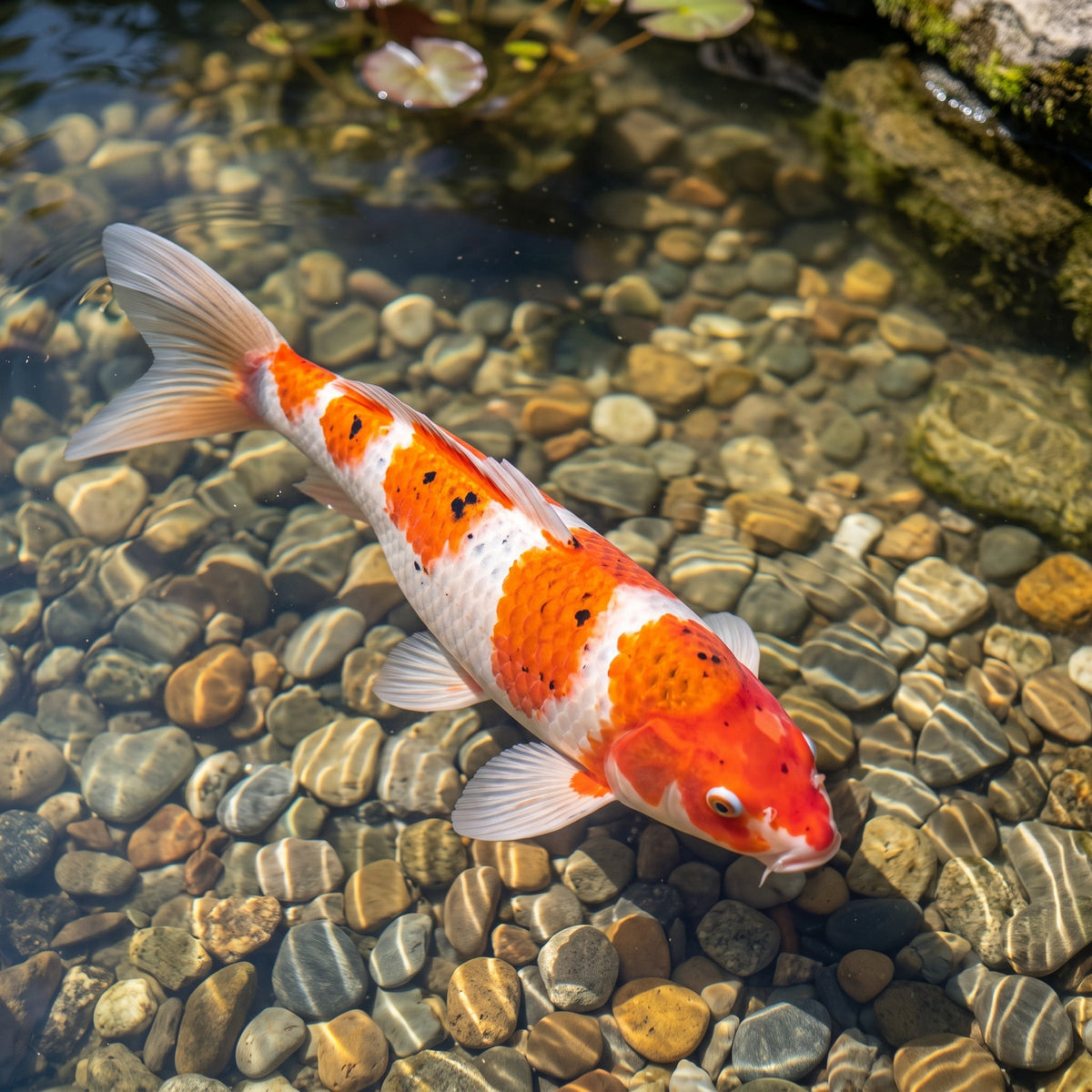
Advanced fin rot with heavy systemic symptoms, or fin rot that does not respond to a full course of treatment, warrants a call to an aquatic veterinarian. This is especially true for high-value fish (koi, established discus, breeding pairs) or for tanks where multiple fish are affected. Aquatic vets can perform cultures, prescribe additional medications, and identify secondary conditions such as internal parasites or fungal co-infections.
The AVMA and the World Aquatic Veterinary Medical Association both maintain directories of aquatic vets by region.
Summary
Fin rot is treatable and, with the right approach, has a strong recovery rate. Correct water parameters, identify the stage accurately, and treat with an appropriate gram-negative antibiotic dosed to the full course. A hospital tank and a stable environment during treatment give the fish the best chance of a full recovery.